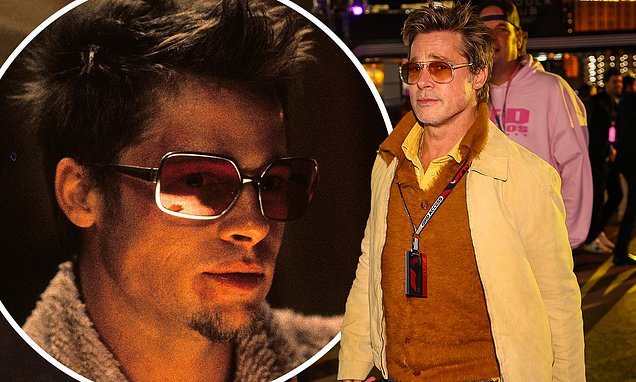
When you think of Brad Pitt, images of rugged charm, a knowing smirk, and an undeniable screen presence likely come to mind. But before the Oscar wins and the celebrated turns in films like Once Upon a Time in Hollywood or Moneyball, there was a character who fundamentally reshaped not just his on-screen identity but the very trajectory of his career: Tyler Durden. The impact of Tyler Durden on Brad Pitt's career and public perception wasn't merely significant; it was a seismic event that allowed Pitt to shed the confines of his "pretty boy" image and emerge as a truly formidable, multifaceted actor.
At a glance: Tyler Durden's transformative effect on Brad Pitt
- Challenged his image: Durden allowed Pitt to break free from romantic lead stereotypes.
- Demonstrated extreme commitment: Pitt's decision to chip his teeth for the role signaled a new level of dedication to craft.
- Opened doors to complex roles: Post-Fight Club, Pitt increasingly sought out darker, more nuanced characters.
- Solidified his reputation: He became known as a serious actor willing to take risks, not just a Hollywood heartthrob.
- Shifted public perception: Audiences and critics began to see him as an artist, not just a celebrity.
- Cemented his legacy: The role became an iconic part of his filmography, forever linked to his ability to portray anti-establishment figures.
Beyond the Pretty Face: Pitt's Pre-Durden Landscape
Before 1999, Brad Pitt was a bona fide movie star, but one often typecast by his striking good looks. He'd charmed audiences in Thelma & Louise, captivated in Legends of the Fall, and delivered intense performances in Se7en and 12 Monkeys. Yet, there was an underlying sense that Hollywood was still figuring out how to fully utilize his talents beyond his undeniable charisma. He was a leading man, yes, but perhaps not yet a character actor of the highest caliber—a perception he was keen to challenge.
Pitt himself recognized the trap of being seen purely for his aesthetic appeal. He was actively seeking roles that would allow him to delve into deeper, darker, and more complex themes, pushing the boundaries of what audiences expected from him. He wanted to subvert expectations, and then came the opportunity to portray a soap salesman with an anarchic streak in David Fincher's adaptation of Chuck Palahniuk's Fight Club.
The Commitment: Chipping Away at Stardom
One of the most powerful testaments to Pitt's dedication to the role of Tyler Durden—and a clear indicator of his evolving approach to acting—was his physical transformation. To achieve the gritty, street-brawler aesthetic that defined Durden, Pitt reportedly had parts of his front teeth chipped off by his dentist. This wasn't a minor detail; it was an extreme, almost ritualistic act of method acting.
This decision went far beyond superficiality. It embodied the film's core exploration of toxic masculinity and the raw, often self-destructive lengths men go to in order to express it. It showed a visceral commitment to character that few Hollywood stars of his stature would consider, let alone execute. After filming wrapped, the chips were repaired, but the statement had been made: Brad Pitt was willing to disfigure himself for his art, a bold move that immediately set him apart.
Why Tyler? A Deep Dive into Pitt's Motivation
Pitt wasn't just attracted to Fight Club for its shock value or its chance to play against type. His interest in Tyler Durden stemmed from a much deeper artistic curiosity. He was intrigued by Tyler's anti-establishment philosophy, his rejection of materialism, and his evolution from a charismatic mentor to a darker, imaginative manifestation of the unnamed narrator's (Edward Norton) repressed desires. This was a character designed to challenge, provoke, and ultimately, force audiences to question societal norms.
The opportunity to work with director David Fincher again (after their successful collaboration on Se7en) was another major draw. Fincher's meticulous vision and ability to craft unsettling, thought-provoking narratives aligned perfectly with Pitt's desire for challenging material. The subversive script, adapted by Jim Uhls from Palahniuk's novel, presented a unique landscape for Pitt to explore. It offered a chance to dive headfirst into a character that represented freedom, strength, and an explosive rejection of modern consumerism—themes that resonated with a broader cultural dissatisfaction at the turn of the millennium. For a more detailed look at his perspective, you might want to check out Brad Pitt's take on Fight Club.
Embodying Anarchy: The Essence of Tyler Durden
Tyler Durden is not just a character; he's an ideology. Pitt brought to life a figure who is effortlessly cool, dangerously charismatic, and utterly fearless. He’s the embodiment of id, a primal force urging the narrator (and, by extension, the audience) to break free from the shackles of societal expectations, corporate slavery, and material possessions.
Pitt's portrayal managed to capture this duality: the seductive allure of Durden's rebellious spirit combined with the underlying menace of his nihilistic philosophy. He made Tyler believable as both a liberating mentor and a destructive force, a balance crucial to the film's narrative impact. This complex, multifaceted performance was a masterclass in subtlety and overt provocation, solidifying Pitt's reputation for tackling roles that defied easy categorization.
From Box Office Flop to Cultural Phenomenon: Fight Club's Ascent
Upon its initial release in 1999, Fight Club was met with a deeply divided critical reception and struggled at the box office. Its dark themes, graphic violence, and challenging narrative were perhaps too much for mainstream audiences at the time. It was controversial, perplexing, and certainly not what many expected from a major studio release starring two leading men.
However, the film found its true audience in the burgeoning DVD market, quickly becoming a cult classic. Its subversive messages about consumerism, identity, and toxic masculinity resonated deeply with viewers, leading to endless discussions and analyses. This delayed but undeniable embrace further cemented Tyler Durden as an iconic figure in cinematic history, and by extension, solidified Pitt's daring choice to portray him. The film's enduring legacy proved that Pitt's gamble had paid off, making him a central figure in a movie that would influence pop culture for decades.
Redefining the Leading Man: Career Trajectory Post-Durden
The legacy of Tyler Durden dramatically broadened Brad Pitt's artistic horizons. Before Fight Club, he was often the romantic lead or the heroic figure. After Durden, he became known as an actor unafraid to explore the darker, more morally ambiguous corners of human experience. This shift was evident in the diverse roles he took on in the years that followed:
- Complex Characters: He embraced roles that were less about heroism and more about flawed humanity. Think of his nuanced performance in Babel, his portrayal of a morally conflicted hitman in Killing Them Softly, or the enigmatic characters in subsequent collaborations with Fincher like The Curious Case of Benjamin Button.
- Genre Versatility: While he had shown range before, Fight Club turbocharged his willingness to experiment across genres. From the heist comedy of Ocean's Eleven to the historical epic Troy, and eventually to the intense war drama Fury or the existential space journey of Ad Astra, Pitt demonstrated a remarkable ability to inhabit vastly different worlds.
- Producerial Influence: The impact also extended behind the camera. Pitt co-founded Plan B Entertainment, a production company renowned for backing challenging, prestige projects like The Departed, 12 Years a Slave, and Moonlight. This move showcased his commitment to substantive filmmaking beyond his acting roles, a testament to the artistic integrity he cultivated post-Durden.
Tyler Durden didn't just add another credit to his resume; it provided a blueprint for the kind of actor Brad Pitt would become: an artist dedicated to craft, willing to challenge, and consistently striving for complexity.
The Public Eye: Shifting Perceptions of Pitt
The public's perception of Brad Pitt underwent a significant evolution following Fight Club. He was no longer just the handsome star; he was now seen as:
- A Serious Actor: The commitment to the role, the film's controversial nature, and its eventual cult status elevated his standing in the industry. He proved he could handle profound material and wasn't afraid of characters that unsettled audiences.
- A Risk-Taker: His choice to portray Durden signaled a willingness to deviate from the safe, commercial path. This cultivated a reputation for being adventurous and discerning in his project choices, earning him respect from critics and cinephiles alike.
- An Icon of Counter-Culture: While Pitt himself is far from an anti-establishment figure, his portrayal of Tyler Durden inextricably linked him to the film's counter-culture themes. For a generation, he became the face of questioning consumerism and breaking free from conformity. This cemented his place not just as a movie star, but as a cultural touchstone.
This shift in perception wasn't instantaneous, but it was irreversible. The whispers of "pretty boy" were replaced by conversations about his artistic bravery and depth.
The Lasting Legacy of a Soap Salesman
Tyler Durden remains one of Brad Pitt's most iconic and discussed roles. It's a performance that continues to influence film students, inspire countless fan theories, and spark debate. The character's memorable lines and anarchic philosophy have permeated popular culture, solidifying its place in the cinematic pantheon.
For Pitt, the legacy is clear: Durden was the catalyst that allowed him to evolve. It proved he was capable of transforming physically and emotionally for a role, pushing himself to uncomfortable extremes to achieve authenticity. This foundation enabled him to pursue a career filled with nuanced, critically acclaimed performances, culminating in multiple Academy Award nominations and wins.
Crafting a Career of Substance: Lessons from Durden's Impact
Brad Pitt's journey through Hollywood serves as a compelling case study for any artist seeking to transcend their initial public image. The impact of Tyler Durden on his career wasn't just about one role; it was about:
- Embracing Discomfort: Pitt intentionally sought out roles that challenged him, knowing that growth often lies beyond one's comfort zone.
- Prioritizing Craft Over Comfort: His willingness to physically alter himself demonstrated a deep commitment to his art that few possess.
- Trusting Visionary Collaborators: His repeated work with directors like David Fincher underscores the importance of aligning with artists who push boundaries.
- Allowing Evolution: Careers are not static. Pitt's ability to shed old skin and embrace new artistic identities has been key to his longevity and critical success.
Ultimately, Tyler Durden didn't just change Brad Pitt's Hollywood persona; he unveiled the true range and depth of an actor who was always more than just a leading man. He became the architect of his own artistic liberation, forever altering the landscape of his extraordinary career.